

Brothers and sisters, consider your calling: Not many were wise from a human perspective, not many powerful, not many of noble birth. —1 Corinthians 1:26
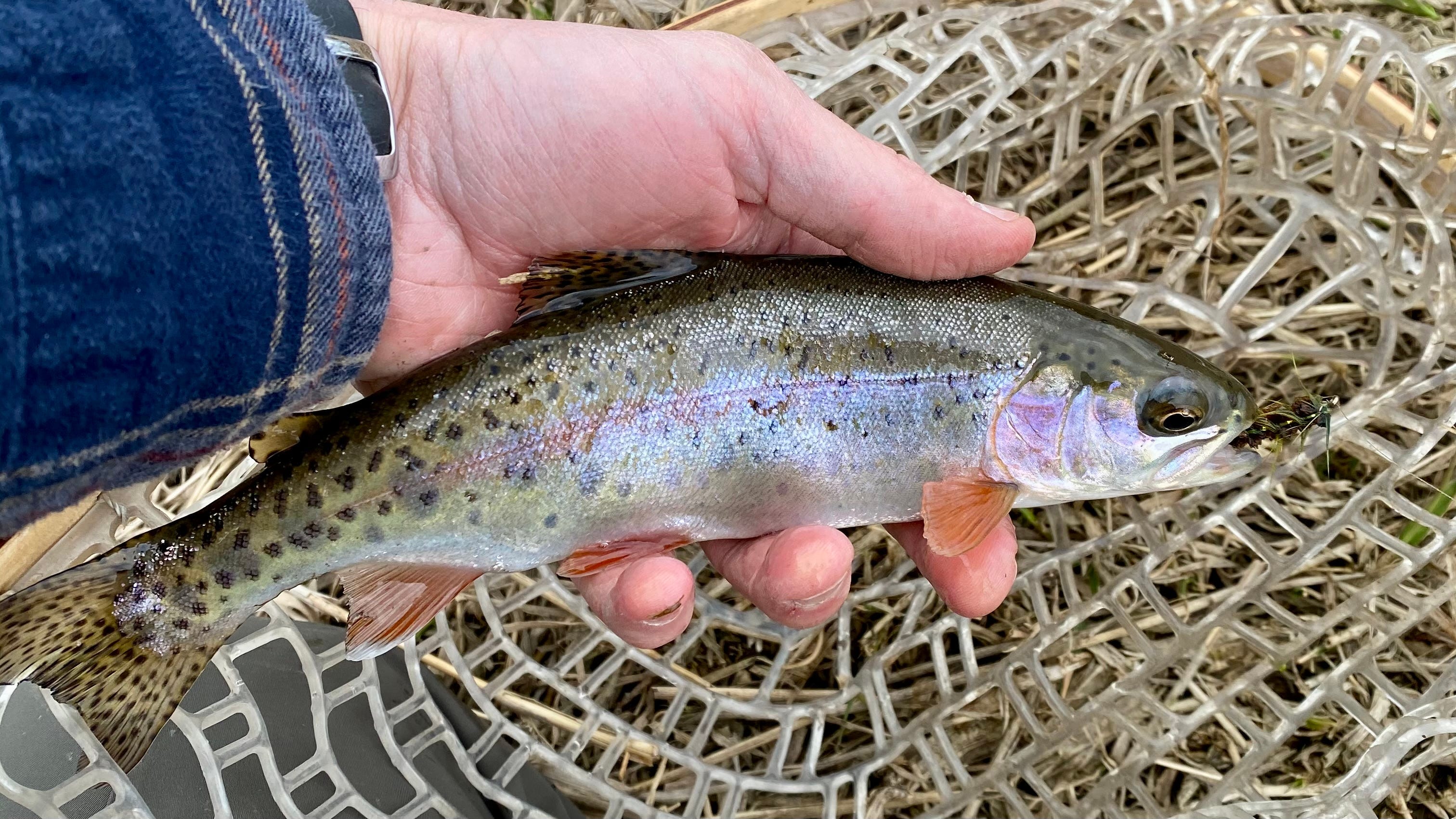
When I lived in Wisconsin, I fell in love with fly fishing for trout. But when I started, I quickly discovered a problem. Fly fishing is complicated. There are hundreds of fly rods, ranging in price from $20 to $2,000. The same is true for fly reels. There are also waders, boots, fishing vests, nets, and dozens of various accessories. You need fly line, and there are so many lengths, weights, bouyancies, and specialized lines to choose from. You need leaders of various lengths, from 5 feet to 15 feet, and tippet. And don’t get me started on the files! Thousands of fly patterns in a dizzying array of colors and sizes!
The more I learned about fly fishing, the more discouraged I became. How do I know what leader length to use? How do I know when to tie on more tippet? How do I know what fly line I need, and how can I afford all these specialized pieces of gear? How do I know what fly to choose? What if I have the right pattern but the wrong size? What if I’m not casting perfectly? I realized that the only way I would learn to fly fish was to invest a ton of money in gear and go to the Orvis store and sign up for their fly fishing school. It was just too complicated for an average untrained person.
Then a friend introduced me to Tenkara fly fishing. Tenkara is much simpler. There’s no reel. An inexpensive fixed-length fly line is attached to the end of the rod with a very simple knot that only takes a few seconds to tie. There are no leaders of various sizes, just a few feet of tippet connecting the fly to the line. Tenkara fly fishing is minimalist fly fishing. Less gear means less to buy, less to carry, and less to fuss with. It’s a different philosophy of fishing. Instead of trying to pick a fly pattern that is a perfect imitation of the bugs the fish happen to be eating that day, the Tenkara approach is less complicated. Choose a fly that could pass for any number of bugs—trout are opportunistic feeders. You don’t need to spend hundreds of dollars buying every fly you can find. Many Tenkara anglers have two or three fly patterns they use, and that’s it.
I embraced Tenkara fly fishing, saved a lot of money by not buying unnecessary gear, and caught more fish!
Sometimes, we think of making disciples like fly fishing. It’s complicated. You have to be an expert. You probably need professional training. You need to know how to teach a Bible study, come up with critical thinking questions, facilitate a discussion with a classroom-sized “small” group, run a church program, and hold your own in an apologetics debate. Plus, you need to be a lot more like Jesus. If you’re still dealing with areas of sin in your own life, how could you disciple someone else?
But we need to think of making disciples like Tenkara fly fishing. Let’s uncomplicate it. 1 Corinthians 1:26 tells us that most of the original Christians were not wise or well educated. They were not rich and powerful. They were not people of status or position in society. Most of the first Christians were average, everyday, normal people. They didn’t have church buildings. They didn’t have church programs. They didn’t have church conferences. They didn’t have podcasts, YouTube, Claude AI, or GotQuestions.org. They didn’t even have the complete New Testament. And while some congregations had copies of parts of the Old Testament, virtually no individual owned their own Scriptures. Yet, somehow, they made disciples.
The point I’m trying to make is this: Discipleship is not complicated. It’s really very simple. At its core, making a disciple means showing someone else how you follow Jesus. How do you follow Jesus? I’m not asking that in the broad, generic sense of how does a person follow Jesus, but rather in the specific, personal sense of how you follow him. Have you ever sat down and written out the ways you follow Christ? If not, take a few minutes this week to do just that.
Really makes you think.